Have you ever wondered how so many young renters can afford to pay Manhattan prices? Streeteasy pegged the median monthly asking rent for a one bedroom in Manhattan at $3,195 as of 11/1/16. They’d have to have really good jobs because ltandlords typically require annual salaries of 40 (or more) times the monthly rent.
 When New York was a finance city and finance was flying high, it wasn’t hard to imagine a lot of young people with more than enough earnings to cover the necessary housing costs, and then some. But finance isn’t what it used to be, at least in terms of entry- and early-level salaries and bonuses that climbed ever skyward. New York still has a hot local economy, but now, we may be turning into a TAMI town (Technology, Advertising, Media and Information) with hefty doses of Healthcare and Education stirred into the mix. Many in those fields do well, but “Bonfire of the Vanities” masters of the universe, they’re not.
Rich (and generous) parents perhaps? Maybe here and there. Or, perhaps, it’s roommates. Lots of roommates. More roommates in many cases than architects, developers and owners contemplated when designing, building and leasing apartments.
The (not so) Great Wall(s) of Manhattan
The answer may be found by typing phrases like “temporary walls” or “room dividers” into a Yelp search set for a Manhattan zip code. A studio suddenly becomes a two-bedroom apartment. A one-bedroom apartment can accommodate up to four. Six adults can share a two-bedroom unit. And voila, rents become affordable.
 This isn’t palatial living. Notice the disappearances of living and dining rooms, and bathroom time (especially in the morning) becomes valuable and rationed. For more color on this phenomenon, check this article and slide show from the 12/9/16 New York Times. But at least for many, it’s still a step above what in many cases were cramped dorms or junky off-campus rentals. And it is prime Manhattan!
Neither landlords nor the Buildings Department are thrilled. But the latter probably doesn’t have the resources and litigation will power to pursue walls that deliberately stop short of ceilings in efforts to comply with at least the letters of the laws requiring that rooms have windows. And as long as walls can be removed when tenancies conclude without damaging apartments, owners probably hate them a lot less than they hate having cash-on-cash returns decimated by vacancies on otherwise unaffordable units.
So Everybody Is Content – For A While
Back in the 1980s, when rent stabilized/controlled rental buildings were converted en masse into coops, tenants snapped them up at favorable insider prices and loved them – for a time. Many, too many, were one bedroom apartments. Those are terrific – until one wants to get serious about pulling back on fun, night life, etc. and about starting families. Suddenly, the market for one bedroom co-ops tanked as early owners fled for greener, and bigger, environs.
 Look for another wave of this sort as the partition dwellers move into their 20s, 30s or 40s) and commit to the notion that they can no longer live the way they’ve been living – even if it means (cough, cough) crossing a river. And cross they must and will, and not just to Manhattan-Lite (Williamsburg, Brownstone Brooklyn, Greenpoint or Long Island City or even Astoria or Mott Haven, where affordability, although better than Manhattan, is still nothing to write home about (unless one is writing to ask for more money).
In times gone by, such trends meant flights to suburbs. But suburban taxes and prices cut the appeal of that in many areas.
Settling in Ride-thru Country
 The U.S. Midwest is often referred to as flyover country, in deference to many coast to coast flights that cruise overhead barely recognizing the existence of the vast mid-section below. In the New York area, we have something similar in ride-thru country, the middle ground between Manhattan (real and lite versions) and the suburbs, the once scorned outer-boroughs that are now capturing the imaginations of developers, investors, buyers and renters – but unevenly. Some areas like Jackson Heights or Corona are already in play. Others like Woodhaven or Richmond Hill are barely known. And still others like Jamaica are . . . Well, get into a time machine and travel back a decade or so to Crown Heights or Bushwick.
Lessons from Peter Lynch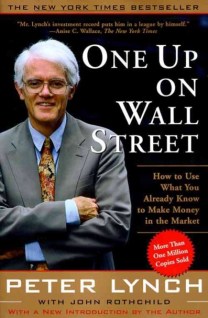
Peter Lynch, the legendary mutual fund manager who made Fidelity Magellan famous and Fidelity a household name opened Chapter 9 of his classic One Up on W
all Street by stating: “If I could avoid a single stock, it would be the hottest stock in the hottest industry, the one that gets the most favorable publicity, the one that every investor hears about in the car pool or on the commuter train— and succumbing to the social pressure, often buys.” Imagine how, if he were in real estate he would have responded to suggestions that he buy property in areas hyped by Streeteasy, etc. as hottest neighborhoods of whenever.
In Chapter 8 of his book, Lynch discussed elements of what he believed to be a perfect stock. The first three were: (1) It Sounds Dull – Or Even Beter, Ridiculous; (2) It Does Something Dull; and (3) It Does Something Disagreeable. So, can you imagine how, if he were in NYC real estate, he might react to, say South Ozone Park?
But that’s so, so, so far away. Does anybody really want to live there? Well, yes. People do live there and will continue to live there. Not everybody needs to be in Manhattan all the time when they’re playig and as the work force becomes more technological and remote via tele-connections, fewer need to always even be there for work. And remember, I’m not taking about 20-some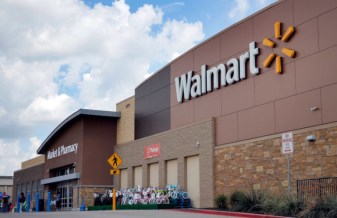 things fresh from college. I’m talking about people who are growing up and need acceptable affordability. None of these properties are likely to be showcased on Bravo TV’s Million Dollar Listing show. But Sam Walton (Walmart) proved long ago that bug money can be made midscale and downscale (over the past 12 months, the closest figure to a real-estate style cash-on-cash return for Walmart was 15.6% and this occurred long after this no-longer-novel company settled into maturity and wrestling matches with lots of new competition).
It’s true Lynch and Walton are from the stock market and retailing respectively, not real estate. But does that really make a difference? Isn’t it the aim of every investor to make money? And haven’t we seen so many in real estate succeed by going where the crowd isn’t and by buying what nobody cares about.
Food for thought.

 NYC Real Estate Values